Regulatory Compliance Pathways Shaping Promotion Structures in Swiss Digital Wagering Ecosystems
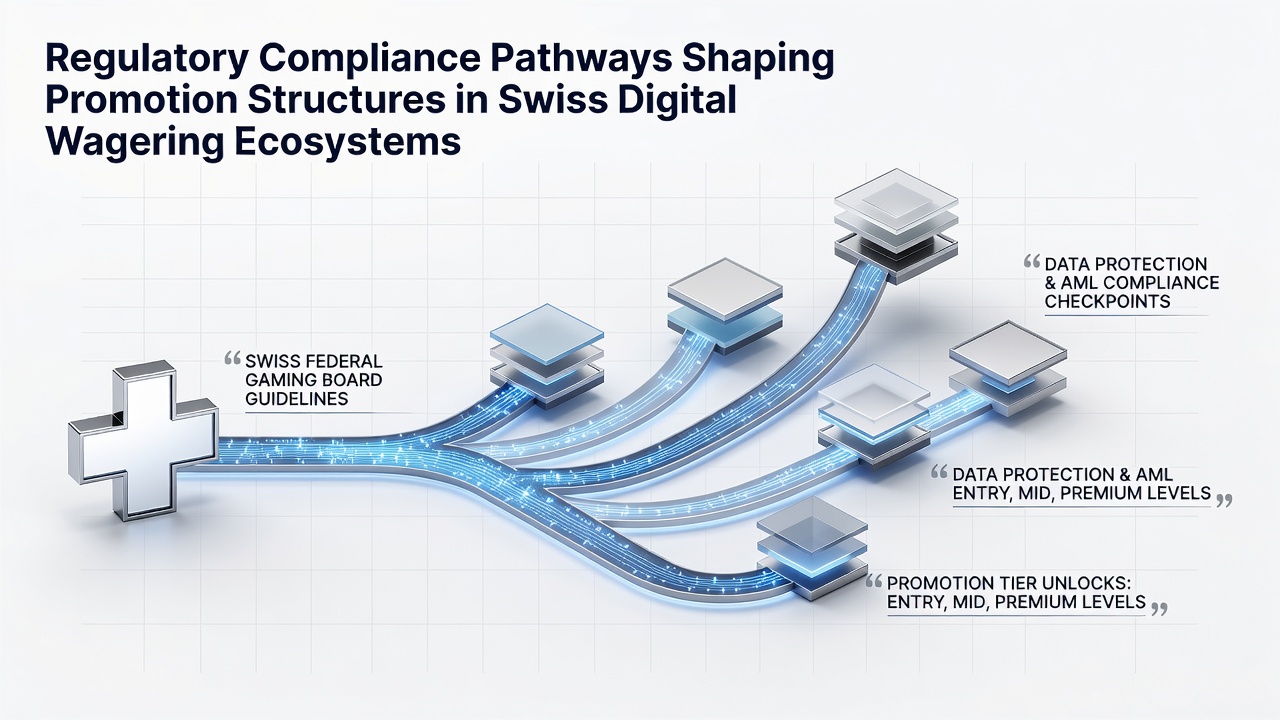
Swiss digital wagering ecosystems operate under the Federal Act on Games of Chance and Casinos which took full effect after 2019 and continues to define how operators structure promotions while meeting strict licensing conditions set by cantonal and federal authorities. Data from the Swiss Federal Gaming Board shows that licensed platforms must route all bonus offers through pre-approval processes that verify compliance with responsible gaming thresholds before any promotion reaches players. Observers note that these pathways force operators to redesign welcome bonuses, loyalty rewards, and reload offers so that maximum stake limits and playthrough requirements stay within prescribed boundaries.
Core Regulatory Framework Governing Promotions
teh 2019 legislation established a dual licensing model where only Swiss-based casinos and lotteries may target domestic players yet foreign operators face blocking orders if they lack equivalent approval. Research indicates that promotion structures must incorporate mandatory cooling-off periods and deposit caps tied directly to player verification data. Those who have examined the rules find that operators integrate these constraints into their backend systems so that any bonus activation automatically triggers real-time checks against national self-exclusion registers. Figures from cantonal supervisory bodies reveal that non-compliant promotions accounted for the majority of license warnings issued between 2022 and 2025.
Pathways for Compliance in Bonus Design
Operators follow three primary compliance routes when building promotions. The first route channels every offer through the Swiss Federal Office of Justice for formal review while the second embeds automated compliance modules supplied by licensed software providers. The third route combines both by submitting sample campaigns to regulators in advance of seasonal events. Studies from academic institutions tracking Swiss gambling markets show that platforms using the combined route reduced regulatory queries by 40 percent compared with those relying solely on internal audits. Data shows that effective October 2026 new reporting templates will require quarterly disclosure of bonus redemption rates broken down by player risk category.
Impact on Mobile and Live Dealer Segments
Mobile applications serving Swiss players must display bonus terms within the first interaction layer rather than in separate menus. Experts have observed that live dealer sessions carry additional constraints because promotional credits cannot apply to table games without prior approval of the underlying random number generator certification. One study revealed that operators adjusted their live casino welcome packages by replacing cashback offers with free spin bundles limited to slot titles after regulators flagged cross-game bonus usage. These adjustments maintain player engagement while satisfying the requirement that promotions do not encourage excessive table game participation.

Comparative Approaches from Other Jurisdictions
Swiss pathways differ from those in other regulated markets yet share common data reporting elements with frameworks used by the Malta Gaming Authority and the Nevada Gaming Control Board. According to industry reports published by the European Gaming and Betting Association operators in Switzerland allocate roughly 12 percent of marketing budgets to compliance documentation whereas comparable figures from Australian state regulators reach 9 percent. Researchers discovered that this documentation burden leads Swiss platforms to favor time-limited promotions over ongoing loyalty programs because each new reward tier requires fresh regulatory sign-off. Those tracking the sector note that the result is a more cyclical bonus calendar aligned with sporting events adn holiday periods rather than continuous reward accumulation.
Technical Implementation of Compliance Controls
Backend systems now incorporate geofencing combined with real-time license verification so that any promotion attempt from an unlicensed IP address is automatically rejected. Payment processors serving Swiss digital wagering ecosystems must flag bonus-related transactions for separate auditing trails. Evidence suggests that these technical layers reduce instances of bonus abuse while preserving the promotional value operators can legally advertise. Platforms that integrated these controls early reported fewer player disputes over unredeemed bonuses during the 2024-2025 period.
Conclusion
Regulatory compliance pathways in Swiss digital wagering ecosystems continue to influence every layer of promotion architecture from initial offer creation through player redemption and reporting. As October 2026 approaches operators face updated disclosure requirements that will further standardize how bonus performance data reaches supervisory bodies. The resulting structures balance commercial objectives with mandatory safeguards while maintaining clear separation between licensed Swiss operations and unlicensed offshore alternatives.